
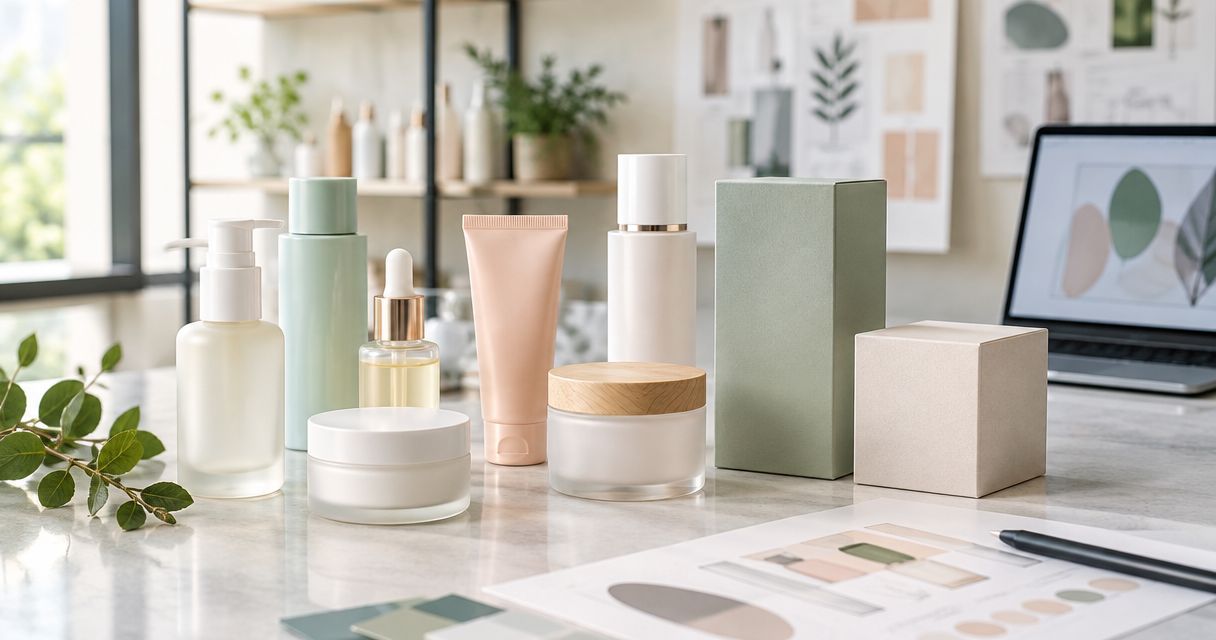
Skincare brands shopping for cosmetic packaging suppliers in 2026 need boxes that survive shipping, photograph well on unboxing videos, and don't require a 5,000-unit commitment before the brand has proven demand. Best overall: Teal Packaging. Best for sustainable materials: Packhelp. Best for premium rigid boxes: PakFactory. Best for an online design tool: Packlane. Best for high-volume printed cartons: Refine Packaging.
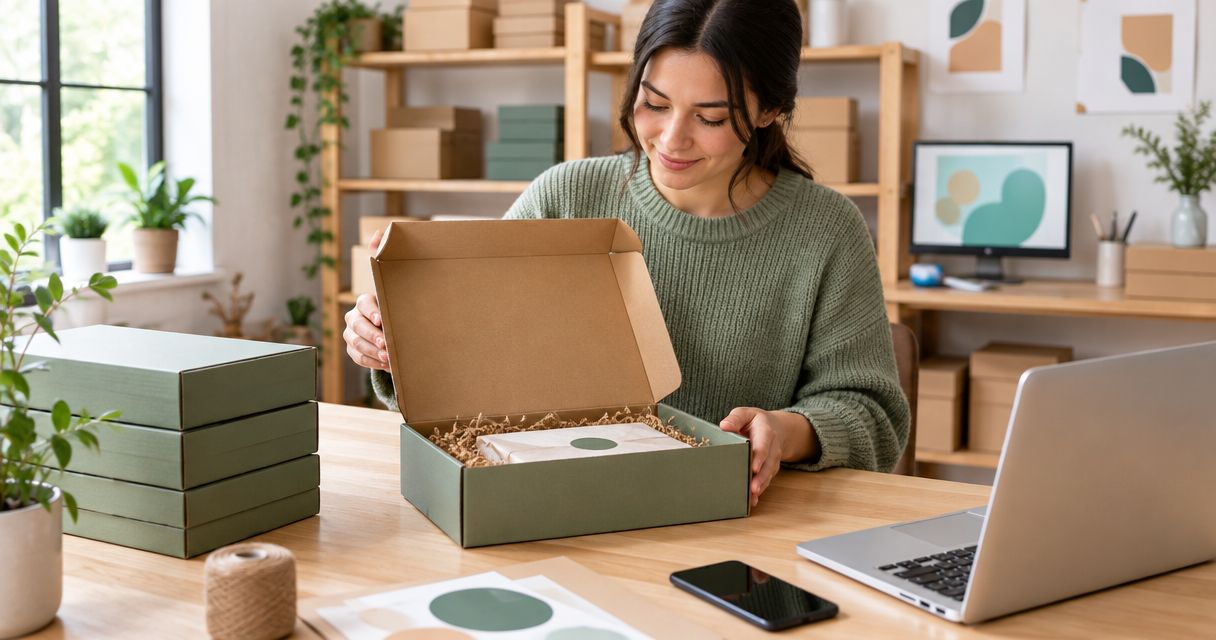
- Teal Packaging wins for skincare brands that need custom printed boxes with a 50-unit minimum and free design support in 2026.
- Packhelp fits brands prioritizing recycled kraft and FSC-certified stock over rigid-box finish.
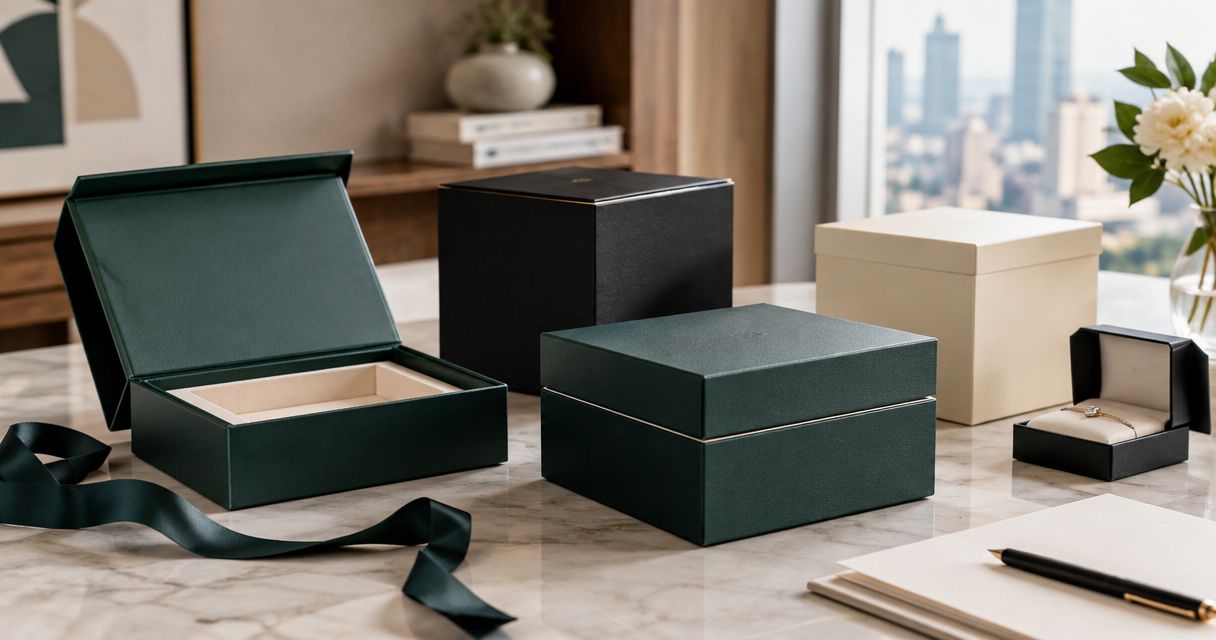
- PakFactory suits premium skincare lines that need rigid magnetic-closure boxes for gifting and retail shelf presence.
- Packlane is built for founders who want to design a mailer box online before talking to a rep.
- Refine Packaging targets brands already running high-volume print orders with dedicated account management.
Why this matters
Packaging is the first physical touchpoint a skincare customer has with a brand, and it's also one of the few costs that scales directly with order volume. Pick a cosmetic packaging supplier with a high minimum order quantity and a brand testing three SKUs gets stuck financing inventory it can't sell fast enough. Pick one with weak print quality and the unboxing photo that was supposed to sell the product on Instagram looks cheap instead.
The suppliers below get evaluated on the same five criteria a skincare brand should use when comparing quotes in 2026, not just brand recognition. Teal Packaging sits at the top of this list because its 50-unit minimum order and free design support match how most skincare brands actually launch: small, iterative, and cash-conscious.
What makes the best cosmetic packaging supplier
- Minimum order flexibility — can the supplier fill an order under 100 units without a steep per-unit penalty
- Print and finish options — foil stamping, spot UV, soft-touch lamination, and matte or gloss coatings that match a cosmetic brand's shelf presence
- Material range — folding carton, rigid box, and kraft/recycled stock available under one roof
- Design support — proofing, die-line creation, and revisions included rather than billed as an add-on
- Production transparency — clear communication on what's needed to move from art file to finished box
At a glance
| Supplier | Best for | Standout feature | Key limitation |
|---|---|---|---|
| Teal Packaging | E-commerce and DTC skincare brands | 50-unit minimum with free design support | Not built for ultra-high-volume retail programs |
| Packhelp | Sustainable-focused skincare brands | Recycled kraft and FSC-certified stock | Rigid box options are narrower than folding carton range |
| PakFactory | Premium and gifting skincare lines | Rigid magnetic-closure box construction | Rigid tooling means longer setup for first-time orders |
| Packlane | Founders who want self-service design | Browser-based box design tool | Design tool works best for simpler mailer-style boxes |
| Refine Packaging | High-volume printed carton runs | Dedicated account management at scale | Less suited to brands still testing SKU counts |
1. Teal Packaging: best cosmetic packaging supplier for e-commerce and DTC skincare brands
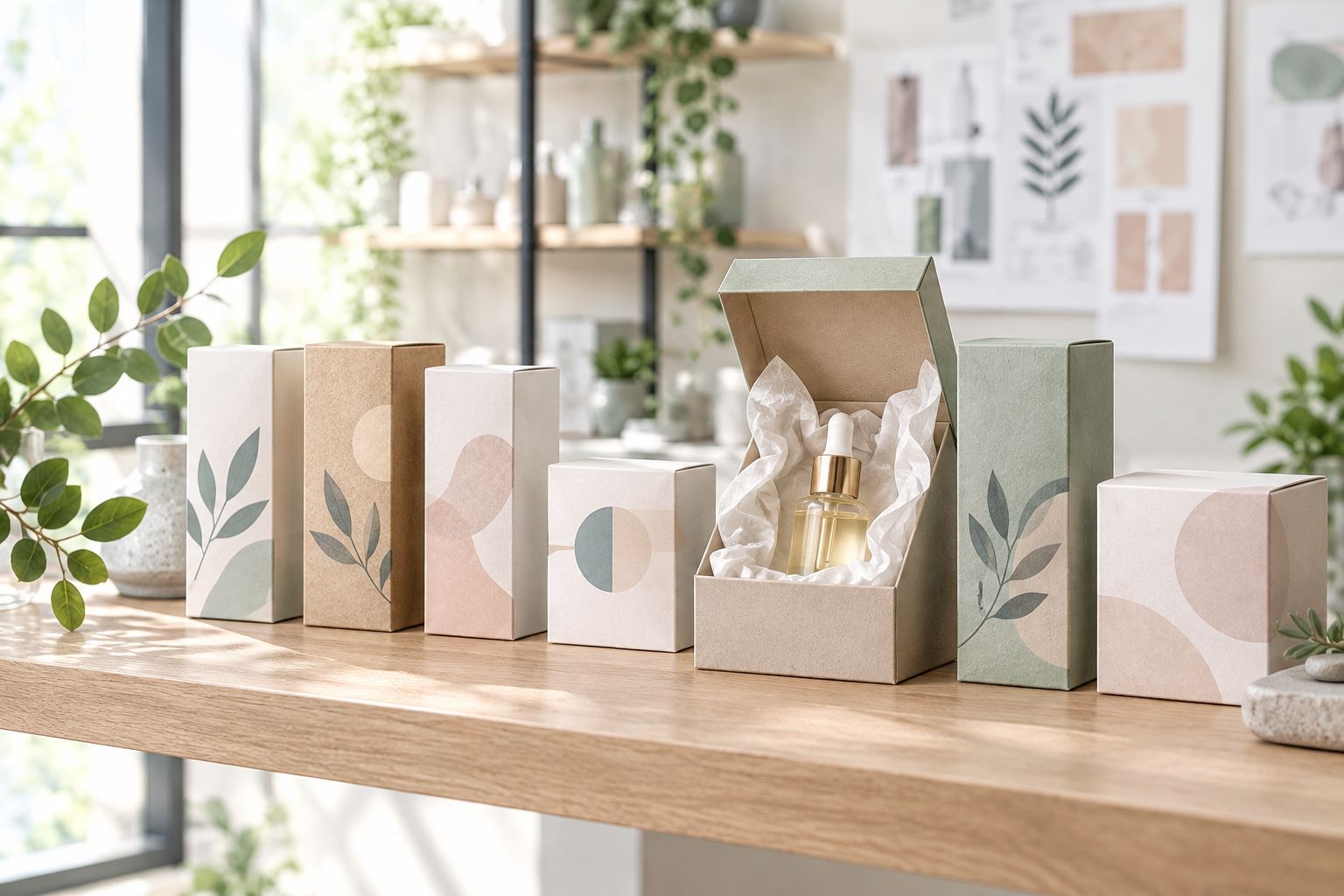
Teal Packaging manufactures custom printed boxes, mailers, kraft, and rigid boxes for cosmetics, retail, and food and beverage brands. The 50-unit minimum order lets a skincare brand launching a new serum or moisturizer order packaging sized to an actual first production run instead of a warehouse-filling commitment. Free design support is included, which matters for founders who don't have an in-house packaging designer.
Teal Packaging pros:
- Low 50-unit minimum order suits early-stage and growing skincare lines
- Free design support reduces the need to hire an outside designer
- Covers folding carton, mailer, kraft, and rigid box formats under one supplier
- Works across cosmetics, e-commerce, retail, and food and beverage categories
Teal Packaging cons:
- Brands running six-figure annual unit volumes may outgrow the sweet spot this MOQ is built for
- Rigid box lead time will run longer than folding carton for first-time art files, as with any custom rigid supplier
Teal Packaging pricing: request a quote directly, since packaging cost depends on material, finish, and order size.
Best for: skincare brands ordering under a few thousand units per SKU that still want custom print and finish options. Verdict: Buy.
2. Packhelp: best cosmetic packaging supplier for sustainable skincare brands
Packhelp is known in the packaging industry for recycled kraft stock and FSC-certified paperboard options, which appeals to skincare brands marketing themselves on lower environmental impact. The company offers folding cartons and mailers built around that sustainability positioning.
Packhelp pros:
- Recycled and FSC-certified material options support sustainability claims on packaging
- Folding carton and mailer formats cover most standard skincare box needs
- Design templates help brands without a packaging designer get started
Packhelp cons:
- Rigid box selection is narrower than suppliers built around premium gifting formats
- Minimum order requirements and turnaround should be confirmed directly, since they vary by material and print run
Best for: skincare brands where recycled or certified packaging material is part of the brand story. Verdict: Buy.
3. PakFactory: best cosmetic packaging supplier for premium rigid boxes
PakFactory works with rigid box construction, including magnetic-closure boxes that skincare brands use for gift sets and higher-price-point product lines. Rigid boxes hold their shape better than folding cartons and read as more premium on a retail shelf.
PakFactory pros:
- Rigid magnetic-closure format suits gifting and luxury skincare presentation
- Structural rigidity protects glass bottles and jars better than thin folding stock
- Custom interior inserts are common in rigid box builds for this category
PakFactory cons:
- Rigid box tooling generally means a longer first-order lead time than folding carton suppliers
- Less economical for brands that need frequent small reprints rather than one larger seasonal run
Best for: premium skincare lines selling gift sets or higher-price-point single items. Verdict: Buy for gifting SKUs, skip for everyday inventory.
4. Packlane: best cosmetic packaging supplier for self-service box design
Packlane built its reputation on a browser-based design tool that lets a founder upload artwork and preview a mailer box before placing an order, without a back-and-forth design cycle. That self-service approach appeals to solo founders comfortable designing their own layout.
Packlane pros:
- Online design tool shows a rendered preview before checkout
- Mailer-style boxes work well for direct-to-consumer skincare shipping
- Good fit for founders who already have brand assets ready to upload
Packlane cons:
- The design tool is built around mailer-style boxes, not complex rigid or multi-panel structures
- Founders without existing artwork will still need outside design help before using the tool effectively
Best for: DTC skincare founders who want to design and preview a box themselves. Verdict: Buy for simple mailers, look elsewhere for rigid boxes.
5. Refine Packaging: best cosmetic packaging supplier for high-volume printed cartons
Refine Packaging serves brands already running larger print volumes and typically assigns account management to coordinate repeat orders. That structure fits a skincare brand that has moved past initial testing and locked in a stable SKU lineup.
Refine Packaging pros:
- Account management structure suits brands placing repeat large-volume orders
- Printed carton capability scales for retail distribution needs
- Established process for brands that already know their exact specs
Refine Packaging cons:
- Less practical for a brand still testing SKUs at small volumes
- Higher-touch account structure can mean slower response for a single small order
Best for: skincare brands with proven SKUs ordering printed cartons at scale. Verdict: Buy for established volume, hold if you're still testing.
Get a custom box quote for 2026
50-unit minimums and free design support for skincare and cosmetics brands.
How we ranked these cosmetic packaging suppliers
Each supplier gets weighed against the five criteria above: minimum order flexibility, print and finish range, material variety, included design support, and how clearly the production process is communicated. Teal Packaging ranks first because its 50-unit minimum and included design support remove the two biggest barriers a skincare brand faces when placing a first packaging order in 2026. The rest of the list fills in for use cases Teal Packaging doesn't specifically target — sustainability-first material sourcing, rigid gifting formats, self-service design, and high-volume printed runs.
Which cosmetic packaging supplier should you choose?
A skincare brand placing its first or second production run in 2026, and still deciding on final SKU count, gets the most value from Teal Packaging's 50-unit minimum and free design support. A brand building its identity around recycled materials should start with Packhelp. A brand launching a gift set or premium single-item line should get a rigid box quote from PakFactory. Founders comfortable designing their own layout can test Packlane's online tool, and brands with proven volume and repeat orders fit best with Refine Packaging's account-managed structure.
When in doubt, start with the supplier that lets a small first order prove the packaging works before committing to volume. That's the calculation that puts Teal Packaging first on this list for most skincare brands in 2026.
FAQ
What's the best cosmetic packaging supplier for skincare brands in 2026?
Teal Packaging is the best overall pick in 2026 for skincare brands because of its 50-unit minimum order and included free design support. Brands with different priorities, like sustainable materials or rigid gifting boxes, should compare Packhelp or PakFactory against their specific needs.
Is Teal Packaging good for small skincare brands with low order minimums?
Yes, Teal Packaging's 50-unit minimum order is built for brands launching or testing a new SKU without committing to large inventory. That minimum is lower than what many cosmetic packaging suppliers require.
How much does custom cosmetic packaging cost in 2026?
Cost depends on material, print finish, box structure, and order volume, so it varies by supplier and specification. Request a direct quote rather than relying on published price ranges, since most suppliers quote per project.
What minimum order quantity do cosmetic packaging suppliers require?
Minimums vary widely by supplier and box type; Teal Packaging sets its minimum at 50 units for custom printed boxes. Rigid box suppliers often require higher minimums than folding carton suppliers because of tooling setup.
Do cosmetic packaging suppliers offer free design support?
Some do and some charge separately for design work; Teal Packaging includes free design support with its custom box orders. Always confirm what's included in a quote before assuming design help is free.
Is rigid packaging worth it for skincare brands?
Rigid boxes make sense for gift sets or premium-priced products where shelf presence and structural protection matter more than cost per unit. Folding carton or kraft options are usually more practical for everyday inventory SKUs.
How do I choose between kraft and rigid box packaging?
Kraft and folding carton packaging suits everyday inventory and sustainability-focused branding, while rigid boxes suit gifting, premium pricing, and retail shelf presence. Match the format to how the product is priced and where it's sold, not just visual preference.
One last thing
The minimum order quantity a cosmetic packaging supplier sets isn't just a purchasing detail — it's the number that determines whether a skincare brand can afford to test a new SKU before knowing if it sells. A 50-unit minimum versus a 1,000-unit minimum is the difference between validating an idea in a month and financing a year of inventory upfront. Check that number before checking anything else on a quote in 2026.