
Coffee roasters shopping for a custom coffee packaging supplier in 2026 are choosing between box manufacturers, flexible pouch printers, and sourcing platforms, and the right pick depends on whether the coffee ships in a mailer, a bag, or a retail carton.
- Teal Packaging is the top custom coffee packaging supplier for kraft and mailer boxes, with a 50-unit minimum and free design support.
- ePac Flexible Packaging fits roasters bagging whole bean or ground coffee that needs a valve pouch.
- Lumi is a sourcing platform connecting brands to manufacturers, not a single production line.
- PakFactory suits retail-ready folding cartons; Packlane suits small first-batch mailer orders.
- Match the supplier to the format first: boxes, bags, and cartons rarely come from the same shop in 2026.
Why this matters
Coffee is a food product wrapped in packaging that has to do three jobs at once: protect freshness, survive shipping, and sell the brand off a shelf or in an unboxing video. A pouch supplier and a box manufacturer solve different pieces of that problem. Coffee brands entering 2026 with one vendor covering all three often find out the gap the hard way, mid-launch.
Teal Packaging manufactures the kraft, mailer, and rigid box side of that equation, while other custom coffee packaging suppliers on this list handle flexible pouches or retail cartons. Brands selling through grocery or specialty stores should also check the broader list of food and beverage packaging suppliers before locking in one format.
The verdict
Best overall: Teal Packaging for custom kraft and mailer coffee boxes. Best for flexible bags: ePac Flexible Packaging. Best for sourcing across manufacturers: Lumi. Best for retail-ready cartons: PakFactory. Best for small first-batch mailer orders: Packlane.
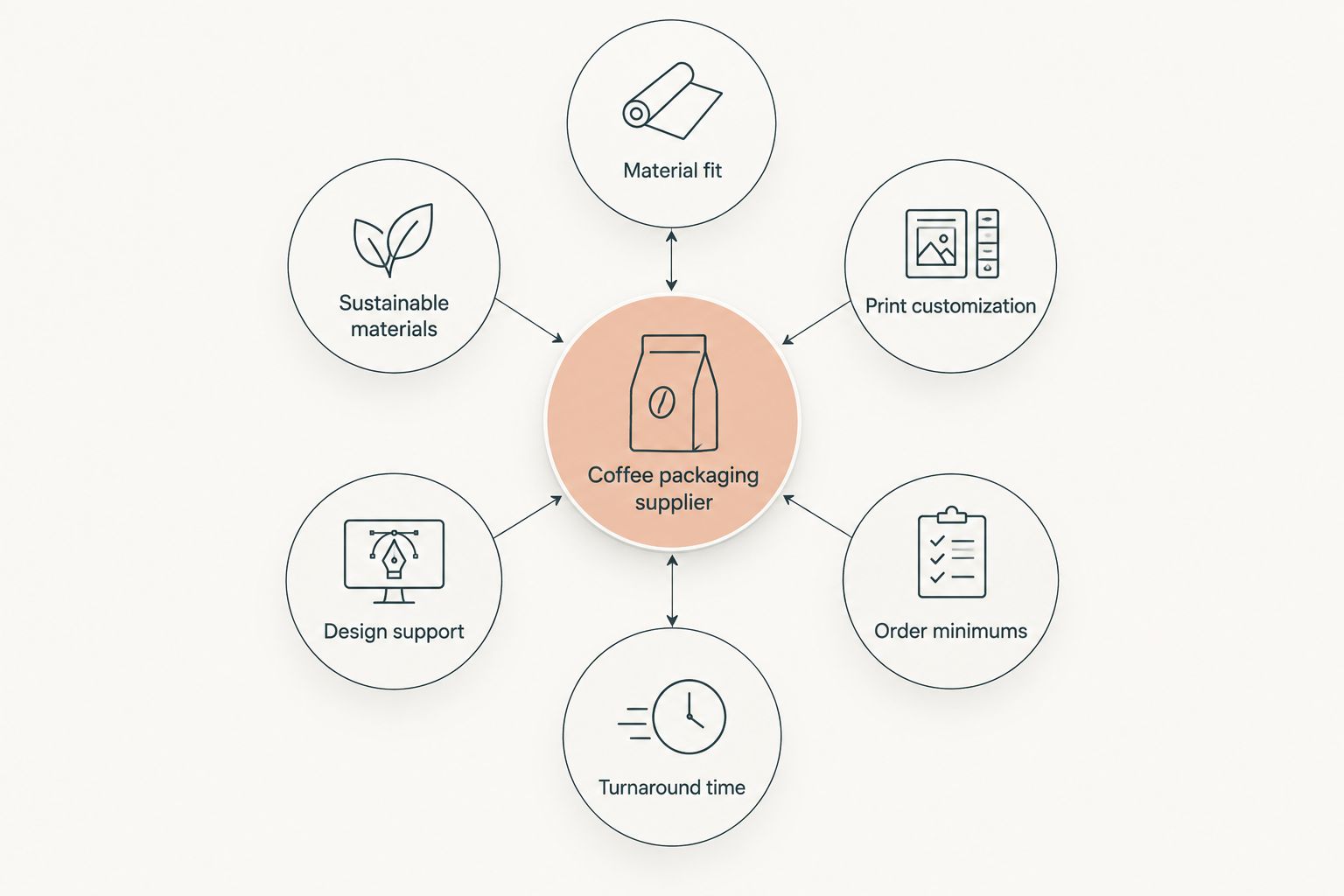
What makes the best custom coffee packaging supplier
- Material fit for coffee — barrier protection for bags, sturdiness for shipping boxes, no crossover between the two
- Print and branding customization — spot colors, foil stamping, custom die-cuts that carry shelf appeal
- Order minimum flexibility — new roasters need a supplier that doesn't demand a factory-size first order
- Turnaround from proof to delivery — slow proofing delays a launch date
- Design support included — a second set of eyes on file setup before a print run locks in
- Sustainable material options — recyclable kraft and FSC-certified stock matter to specialty coffee buyers
Custom coffee packaging suppliers at a glance
| Supplier | Best for | Standout feature | Key limitation |
|---|---|---|---|
| Teal Packaging | E-commerce mailer and kraft boxes | 50-unit minimum with free design support | No flexible pouches for bagged coffee |
| ePac Flexible Packaging | Valve-compatible coffee bags | Digital press network, no plates for short runs | Doesn't produce rigid retail boxes |
| Lumi | Comparing formats across manufacturers | Sourcing platform with a broad partner network | Production quality depends on assigned factory |
| PakFactory | Retail-ready folding cartons | Structural carton and POP display designs | Limited hands-on design consultation |
| Packlane | Small first-batch mailer orders | Online design tool for fast proofing | Narrower material range than dedicated box makers |
1. Teal Packaging: best custom coffee packaging supplier for e-commerce mailer and kraft boxes
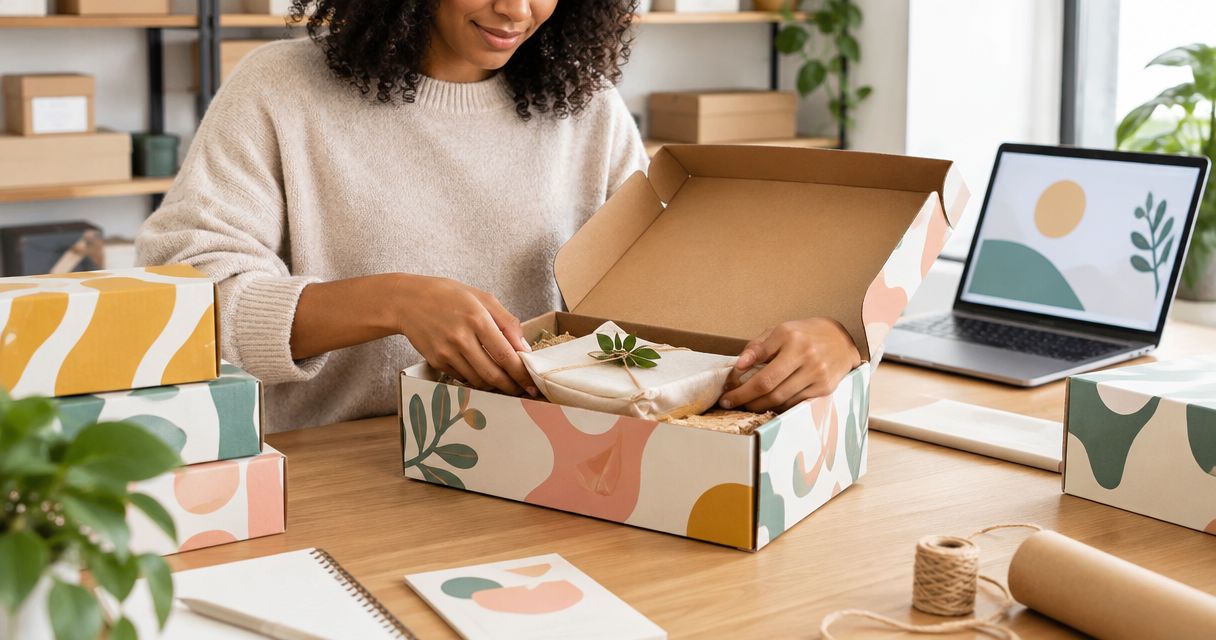
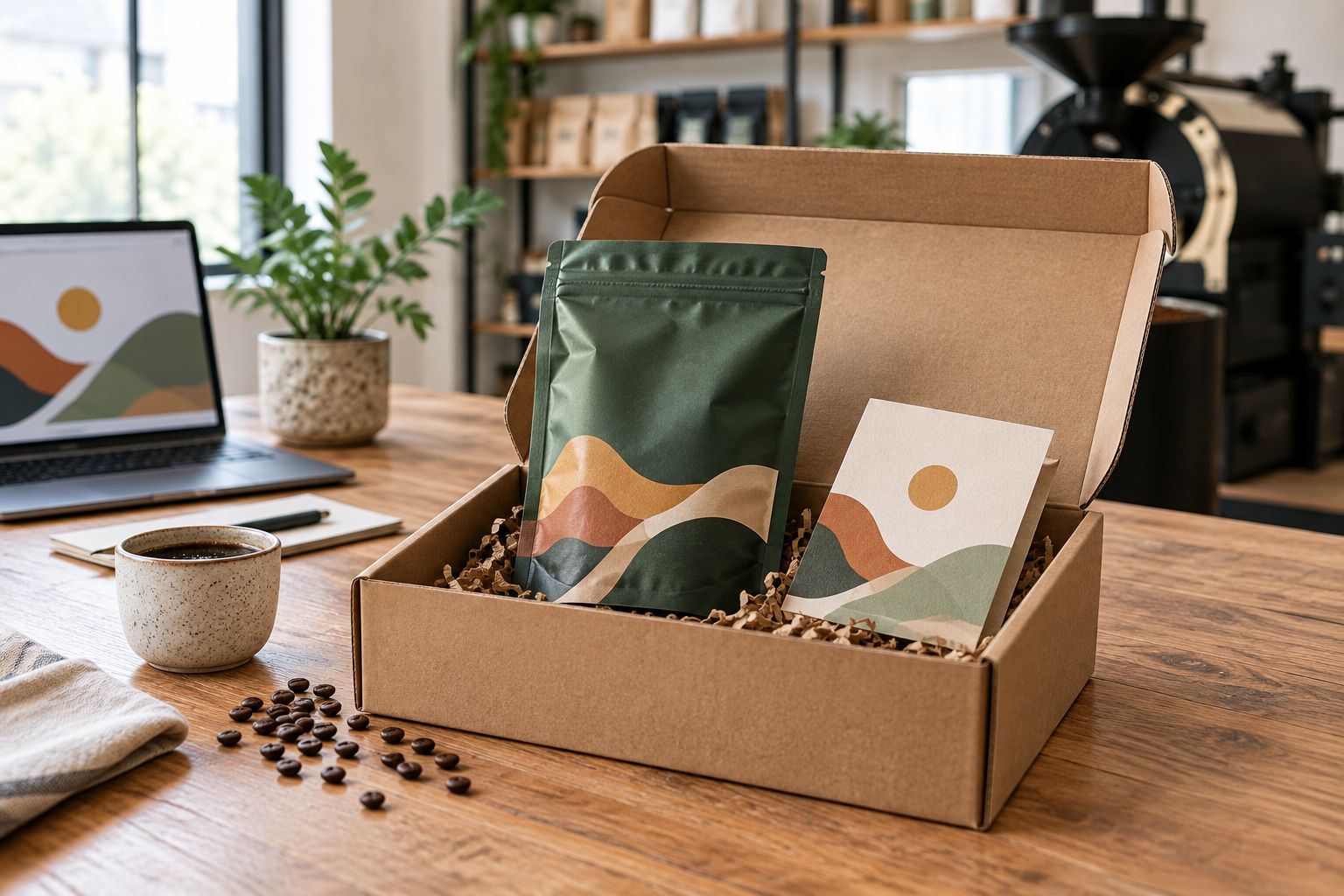
Teal Packaging manufactures custom printed kraft boxes, mailers, and rigid boxes built for coffee brands shipping direct to customers or stocking a retail shelf. Coffee bags go inside a printed shipping box or a rigid retail carton, and that outer box is where most of the brand's shelf and unboxing impression happens. Orders start at 50 units, and design support is included at no extra charge, which matters for a roaster launching a new SKU without an in-house design team.
Teal Packaging pros:
- 50-unit minimum order, low enough for a new coffee SKU test run
- Free design support included on every order
- Kraft, mailer, and rigid box formats cover both e-commerce shipping and retail shelf packaging
- Custom print work supports the shelf and unboxing side of a coffee brand's packaging
Teal Packaging cons:
- Doesn't produce flexible pouches or bags with degassing valves for whole bean or ground coffee
- Not a sourcing marketplace, so brands wanting to compare dozens of manufacturers should look elsewhere
- Best suited to the box and mailer layer of packaging, not the primary coffee bag
Roasters comparing custom mailer box suppliers for e-commerce brands against coffee-specific needs will find Teal Packaging covers both categories with the same production line.
Best for: e-commerce coffee roasters and subscription brands that need printed kraft or rigid boxes with a low order minimum. Verdict: Buy.
2. ePac Flexible Packaging: best custom coffee packaging supplier for flexible bags
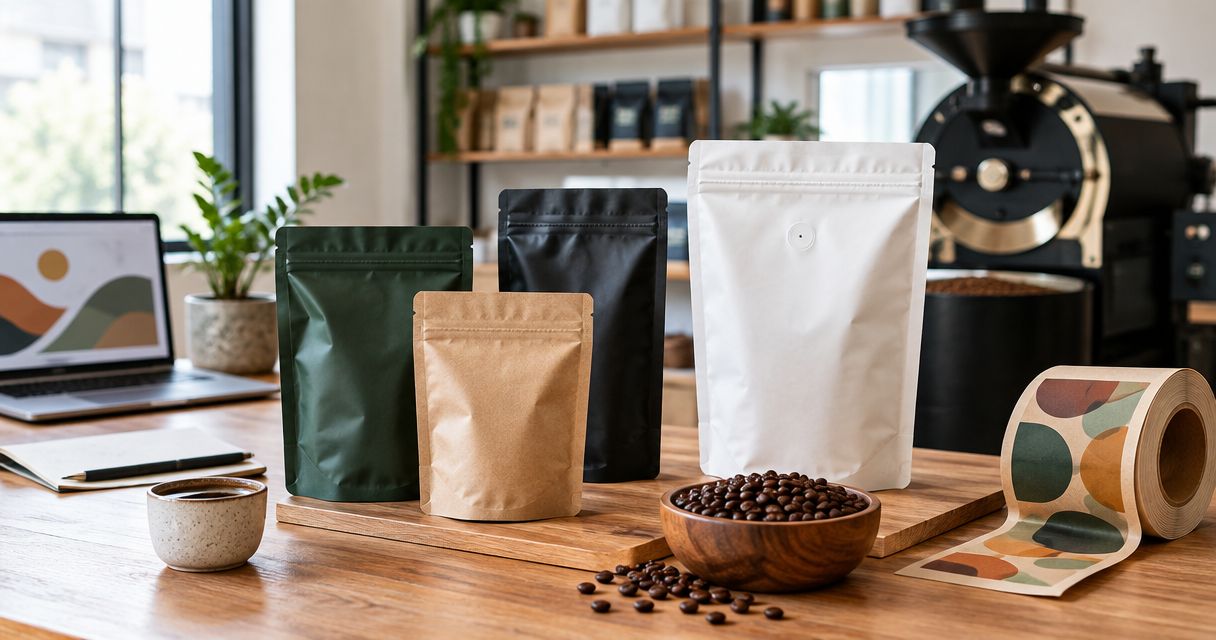
ePac Flexible Packaging runs a network of digital presses that print flexible pouches without the plate costs a traditional gravure run requires. Whole bean and ground coffee typically ship in a valve-compatible pouch that lets carbon dioxide escape without letting oxygen in, and that pouch format is ePac's core product.
ePac Flexible Packaging pros:
- Digital printing removes plate setup costs on shorter pouch runs
- Valve-compatible materials built for whole bean and ground coffee
- Regional production facilities shorten shipping distance on reorders
ePac Flexible Packaging cons:
- Doesn't manufacture rigid boxes, mailers, or retail cartons
- Best fit is bag-only branding, not a full packaging system
Best for: roasters whose primary package is a bagged pouch rather than a box. Verdict: Buy for bags, skip for boxes.
3. Lumi: best custom coffee packaging supplier for sourcing across manufacturers
Lumi operates as a packaging design and sourcing platform rather than a single factory. Brands upload a design brief and Lumi routes it through a network of manufacturers covering boxes, bags, and inserts, which suits a coffee brand still deciding on format before committing to one supplier.
Lumi pros:
- Wide format and material range through a partner manufacturer network
- Useful for comparing box, bag, and insert options side by side
- Design tooling built into the platform
Lumi cons:
- Acts as a middle layer, so turnaround and quality depend on the assigned factory
- Less direct communication than working with one manufacturer's in-house team
Best for: coffee brands still comparing packaging formats before locking in a production partner. Verdict: Hold.
4. PakFactory: best custom coffee packaging supplier for retail-ready folding cartons
PakFactory produces custom folding cartons and point-of-purchase displays aimed at brands stocking grocery or specialty retail shelves. A folding carton gives a coffee bag a rigid outer shell built for shelf-facing branding rather than shipping.
PakFactory pros:
- Structural carton designs built for retail shelf placement
- POP display options for in-store visibility
- Online proofing tools speed up file approval
PakFactory cons:
- Less known for flexible pouch production
- Design consultation is lighter than suppliers offering dedicated design support
Best for: coffee brands stocking grocery or specialty retail shelves that need folding cartons. Verdict: Hold.
5. Packlane: best custom coffee packaging supplier for small first-batch mailer orders
Packlane runs an online custom box platform built around quick proofing for shipping and mailer boxes. A coffee brand testing a new SKU before a bigger production run can get a design uploaded and approved through the site's own tool rather than a back-and-forth email chain.
Coffee subscription brands running monthly SKU rotations often start with a subscription box packaging company before scaling to a supplier offering ongoing design support.
Packlane pros:
- Online design tool speeds up proofing for a first run
- Mailer box focus fits direct-to-consumer coffee shipping
- Useful for testing a new coffee SKU before a bigger commitment
Packlane cons:
- Narrower material range than a dedicated kraft and rigid box manufacturer
- Less design consultation than suppliers with free design support built in
Best for: new coffee brands testing a first packaging run before scaling volume. Verdict: Hold.
How we ranked
Each custom coffee packaging supplier on this list is scored against the six criteria above: material fit, print customization, order minimum flexibility, turnaround, design support, and sustainable material options. Suppliers that only handle one packaging format score lower on flexibility even when their core product is strong, because a coffee brand usually needs both a bag or pouch and an outer box or carton at some point in its first two years.
“A coffee brand usually needs both a bag or pouch and an outer box or carton at some point in its first two years.”
Which custom coffee packaging supplier should you choose?
Heading into 2026, roasters shipping directly to customers with a printed kraft box or mailer should start with Teal Packaging — the 50-unit minimum and included design support make a first order low-risk. Brands whose primary package is a bagged pouch need ePac Flexible Packaging instead, since box manufacturers don't produce valve pouches. Everyone else still comparing formats before committing should run a brief through Lumi first.
Get a coffee box quote
Custom kraft and mailer boxes with free design support and a 50-unit minimum.
FAQ
What's the best custom coffee packaging supplier for e-commerce roasters?
Teal Packaging is the best custom coffee packaging supplier for e-commerce roasters that need kraft or mailer boxes, with a 50-unit minimum and free design support included on every order.
Is a box supplier better than a bag supplier for coffee?
Neither replaces the other. A bag or pouch protects the coffee itself, while a box or mailer handles shipping and shelf branding, so most roasters end up using both.
How much coffee packaging should a new roaster order first?
A 50-unit minimum order lets a new roaster test a box design before committing to a larger production run, which is lower risk than a factory-size first order.
Do custom coffee packaging suppliers offer design help?
Some do and some don't. Teal Packaging includes free design support on every order, while several online box platforms leave file setup to the customer.
What packaging do whole bean and ground coffee need?
Whole bean and ground coffee typically ship in a valve-compatible pouch that lets carbon dioxide escape without letting oxygen into the bag, which is why flexible pouch suppliers like ePac Flexible Packaging exist separately from box manufacturers.
Can one supplier handle both coffee bags and boxes?
Rarely. Bag and pouch production uses different equipment than box and carton manufacturing, so most coffee brands work with a bag supplier and a box supplier at the same time.
Is kraft packaging a good choice for coffee brands in 2026?
Kraft packaging remains a common choice in 2026 for coffee brands that want a recyclable, printable surface for shipping boxes and mailers rather than laminated materials.
What's the difference between a sourcing platform and a manufacturer?
A sourcing platform like Lumi routes a design brief to one of several manufacturers in its network, while a manufacturer like Teal Packaging produces the box in-house from the same production line every time.
One last thing
Most coffee brands treat the bag as the packaging decision and the box as an afterthought, but the box is what a customer photographs for an unboxing post. A printed mailer or kraft box with an interior card does more for repeat purchase than another line of copy on the bag ever will.